Brussels / Warsaw — The NATO alliance is reinforcing its eastern flank as tensions with Russia remain high amid the prolonged war in Ukraine and growing security concerns across Europe.
Alliance officials confirmed that additional troops, air defense systems, and rapid-response units are being deployed to member states bordering Russia and Belarus. The move is described as defensive and precautionary, aimed at deterring potential aggression and reassuring frontline allies.
Strengthening the Eastern Flank
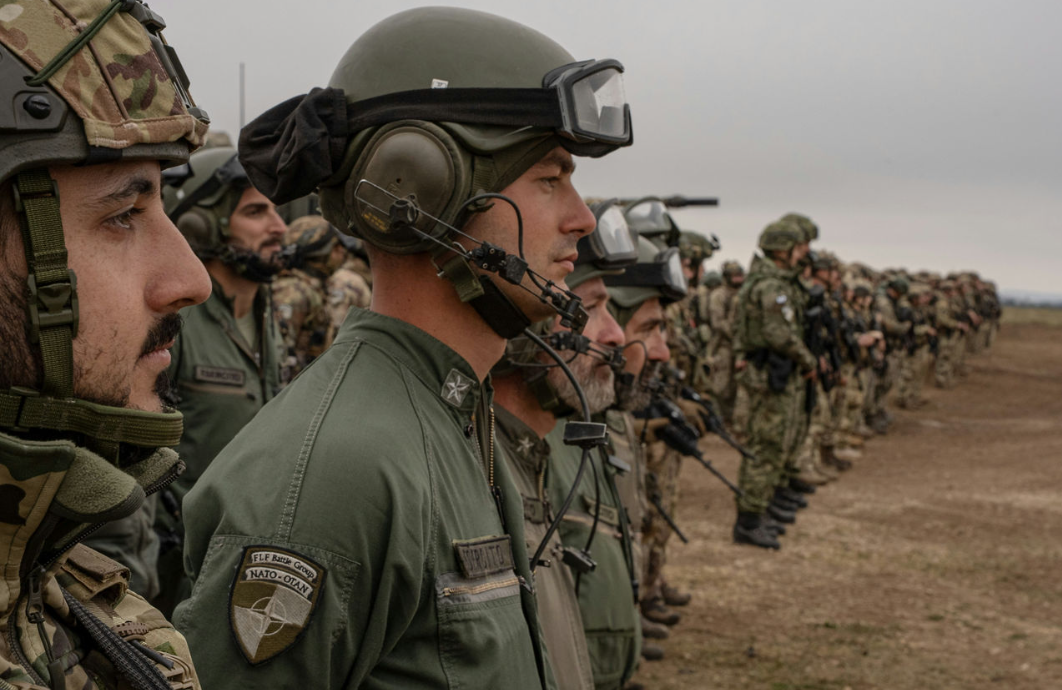
Since the start of the Ukraine conflict, NATO has significantly increased its military presence in Eastern Europe. Battlegroups originally stationed in Poland and the Baltic states have been expanded, with new multinational units deployed in Slovakia, Hungary, Romania, and Bulgaria.
Military exercises have also intensified. Large-scale drills involving thousands of troops and advanced equipment are being conducted to test readiness, logistics coordination, and rapid reinforcement capabilities. Air patrol missions over the Baltic region have been stepped up, with fighter jets on heightened alert status.
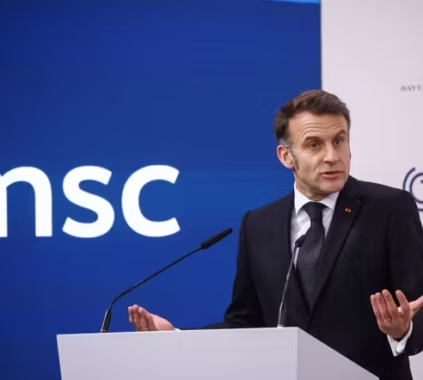
NATO Secretary General officials emphasized that these measures are not offensive in nature but are intended to prevent escalation by demonstrating unity and preparedness.
Why Now?
The decision comes amid continued Russian military activity near NATO borders and ongoing hostilities in Ukraine. Western intelligence assessments suggest Moscow retains significant conventional and hybrid warfare capabilities, including cyber operations and disinformation campaigns.
Eastern European nations, particularly Poland and the Baltic states, have been vocal in urging stronger deterrence. These countries argue that sustained NATO presence is crucial to preventing instability from spilling beyond Ukraine’s borders.
Defence Spending on the Rise
In response to the evolving security landscape, many NATO members have increased defence budgets. Several countries now meet or exceed the alliance’s target of spending 2% of GDP on defence. Investments are being directed toward air defence systems, armored vehicles, missile defense, and intelligence capabilities.
Analysts note that the eastern reinforcement signals a long-term strategic shift rather than a temporary adjustment. NATO appears prepared for a prolonged period of heightened tension with Moscow.
A Delicate Balance
While NATO insists its deployments are defensive, Russia has criticized the expansion as provocative. The Kremlin argues that the alliance’s eastward military build-up threatens regional stability. Diplomatic channels remain open, but relations between Moscow and the West are at one of their lowest points in decades.
Security experts warn that the situation requires careful management to avoid miscalculation. Confidence-building measures and crisis communication mechanisms remain essential to prevent unintended escalation.
Looking Ahead
As the Ukraine war continues into its fifth year, NATO’s expanded eastern defenses underline the alliance’s commitment to collective security under Article 5. Whether tensions stabilize or further intensify will depend on battlefield developments, diplomatic efforts, and broader geopolitical dynamics in 2026.
For now, NATO’s message is clear: deterrence, unity, and readiness remain at the center of its strategy.