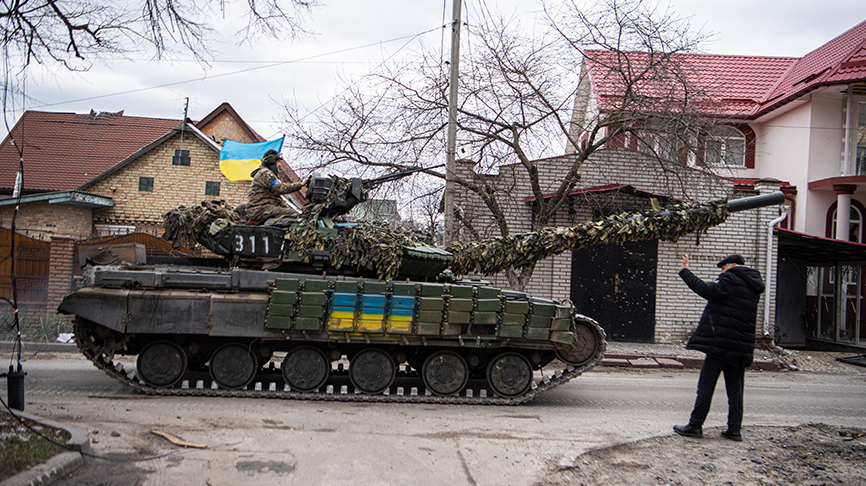
Kyiv, Ukraine — As the Russian invasion of Ukraine enters its fifth year in 2026, the conflict shows no clear end in sight. Four years after the full-scale assault began on February 24, 2022, the war has evolved into a protracted military struggle with deep geopolitical implications for Europe and the wider world.
A War of Attrition: Frontline and Military Reality
Despite repeated ceasefire efforts and diplomatic talks in places such as Abu Dhabi, key issues remain unresolved, including territorial control and security guarantees — making peace elusive.
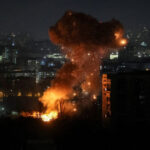
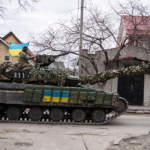
Military operations have shifted into a war of attrition, with both sides entrenched along the eastern and southern fronts. Russia’s ongoing offensives continue to focus on capturing strategic towns in Donetsk and Zaporizhzhia Oblasts, while Ukrainian forces resist through counter-offensives and defensive operations.
Technology is reshaping the battlefield. Drone warfare — including Ukrainian FPV drones and Russian strike UAVs — has become a defining factor, with both sides reporting heavy use of unmanned systems to target troops, vehicles, and infrastructure.
Human and Economic Toll
The human cost of the war remains staggering, with independent estimates suggesting over a million casualties on the Russian side and significant losses among Ukrainian forces.
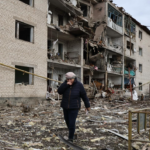
Beyond the battlefield, the war has devastated Ukraine’s energy infrastructure, reducing power generation capacity and causing widespread outages during winters, which in turn affects civilians and industrial activity.
Domestic Resilience and Societal Challenges
Despite ongoing hardship, Ukrainian society displays remarkable resilience. Many civilians and soldiers describe a determined commitment to defend the nation, even as fatigue and economic strain grow.
Russia’s own internal situation is complex. Economic pressures and military recruitment difficulties have strained Moscow’s war effort, though national leadership maintains its strategic goals.
Diplomacy and Geopolitical Stakes
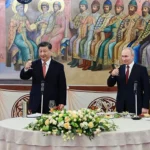
Efforts to negotiate peace have seen periodic diplomatic talks between Ukrainian, Russian, and international representatives. Trilateral meetings in late January and early February 2026 in Abu Dhabi and upcoming discussions in Geneva signify ongoing attempts to find common ground.
However, trust gaps and fundamental disagreements continue to obstruct meaningful breakthroughs. Analysts caution that without significant concessions or diplomatic breakthroughs, a formal peace deal in 2026 remains unlikely.
What the World Is Watching
For Europe and NATO, the war’s fifth year underscores broader concerns about regional security and alliance readiness. Support from European nations and military aid remain critical to Ukraine’s ability to withstand Russian offensives, while geopolitical tensions with Moscow persist.
The conflict’s continuation not only affects Ukraine and Russia but also shapes global diplomacy, energy markets, and security policies across continents. Whether through prolonged negotiations, changes in military strategy, or shifts in international support, 2026 is poised to be another pivotal year in this historic confrontation.