In the midst of escalating tensions between United States and Iran, Tehran has increasingly sought military and diplomatic backing from its traditional strategic partners — particularly Russia and China. However, these efforts have yielded only limited support, leaving Iran in a position of relative diplomatic isolation as pressure from the United States intensifies.
Allies’ Reluctance to Escalate
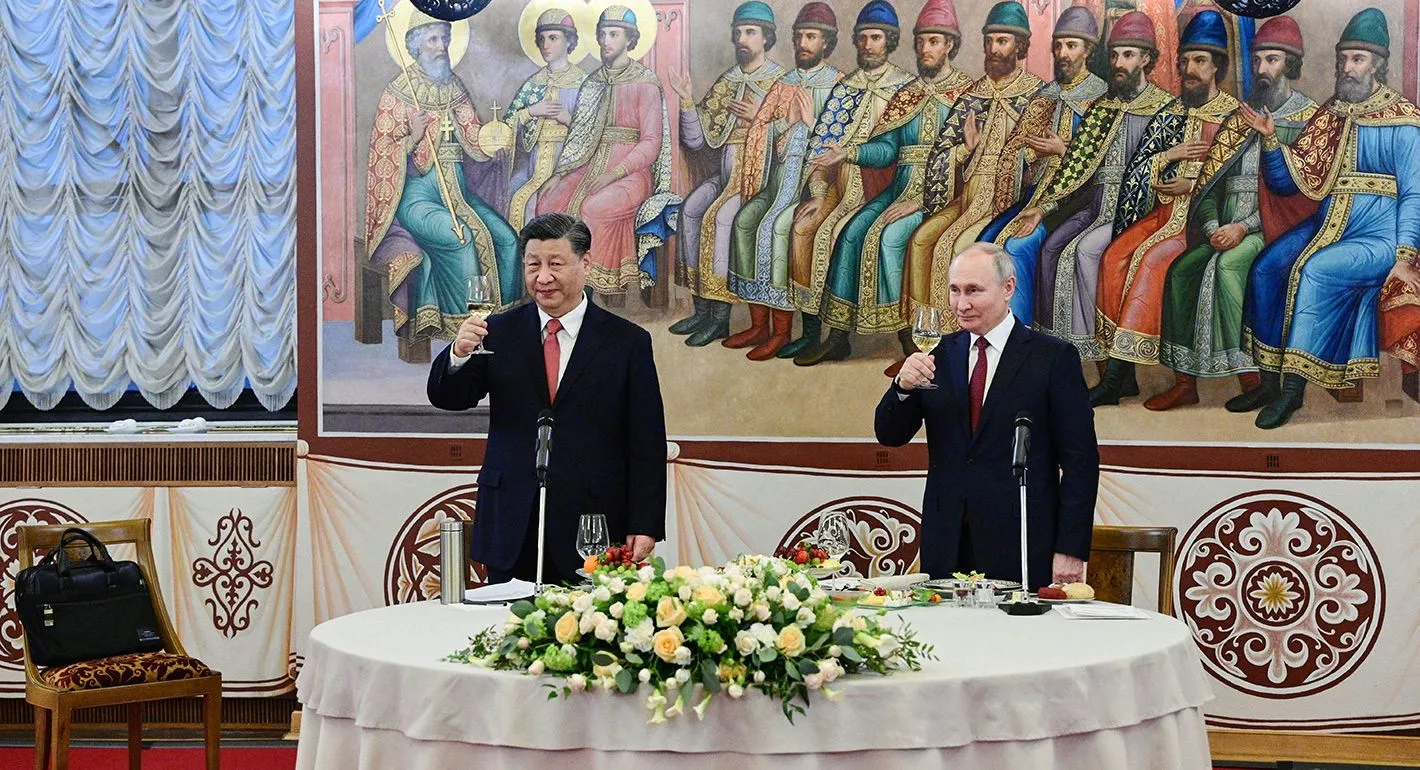
According to reports, while both Russia and China have maintained diplomatic engagement with Tehran and provided some military cooperation — such as small-scale exercises and defense technology exchanges — neither country is prepared to confront the U.S. militarily or offer decisive support if the situation deteriorates into conflict. Moscow and Beijing are cautious about jeopardizing their broader economic and political relations with Washington and other global partners.
Iran’s outreach to its supposed allies comes as the U.S. has bolstered its military presence in the Middle East, deploying strike groups and advanced airpower to signal readiness for potential action if diplomatic negotiations falter. Washington’s sustained pressure is part of a broader strategy by the Trump administration to seek more stringent terms on Iran’s nuclear program and regional activities.
Strategic Calculations and Realities
Analysts point out that both Russia and China are taking a pragmatic approach. For Russia, engaging in a direct confrontation with the United States over Iran would strain its already tense relationship with Washington, particularly over issues like Ukraine. For China, economic ties — including energy trade with Iran — must be balanced against its deep commercial ties with the U.S. and Gulf states.
This realpolitik dynamic means that while Iran can still count on some material assistance and diplomatic engagement, the level of support falls short of what Tehran would need in a crisis scenario. Rather than standing shoulder-to-shoulder with Iran against U.S. pressure, its partners are choosing to manage risk and avoid escalation.
What This Means for the Region
Iran’s limited backing from major powers complicates its geopolitical position just as renewed nuclear talks and regional negotiations are underway. Domestically, Tehran faces public pressures and economic challenges caused by years of sanctions and restrictive policies — adding to the urgency for a diplomatic resolution.
For U.S. policymakers, the inability of Tehran to secure robust external support could factor into Washington’s negotiating leverage and military calculus. However, experts warn that missteps or escalation could have far-reaching consequences for regional stability and global energy markets.
In Summary
- Iran has sought stronger military and diplomatic support from Russia and China.
- Both countries are offering limited cooperation but no decisive backing.
- Continued U.S. pressure is reshaping Tehran’s strategic options.
- Ongoing negotiations and tensions keep the region on edge.