In a rare and highly symbolic move, Iran announced that it temporarily closed the strategic Strait of Hormuz — one of the world’s most vital oil shipping routes — as it engaged in a fresh round of indirect nuclear negotiations with the United States in Geneva. The waterway, through which roughly 20% of global seaborne oil supplies pass, was shut for several hours while Iran’s elite forces conducted live-fire military drills in the area.
🔥 A Tense Backdrop to Diplomacy
The closure — reported by Iranian state media — coincided with the second round of indirect talks between Tehran and Washington over Iran’s disputed nuclear program, mediated by Oman. Although described as “indirect,” these negotiations reflect the highest-level diplomatic engagement between the two adversaries in months.
Officials confirmed that the temporary shutdown was linked to live military exercises launched by Iran’s Islamic Revolutionary Guard Corps (IRGC), which included missile tests and drills designed to enhance control over the waterway. Iranian authorities framed the move as a safety measure for maritime navigation during operations, but analysts say it also sent a strategic message amid intensifying U.S. military presence in the region.
⚓ Why This Matters Globally
The Strait of Hormuz is one of the world’s most critical oil chokepoints. A disruption there — even temporary — reverberates through global energy markets, shipping, and geopolitical risk assessments. Marine analysts noted that although the impact on shipping was limited during this latest closure, heightened tensions could prompt carriers to reroute or slow operations in the region, driving up insurance costs and energy prices.
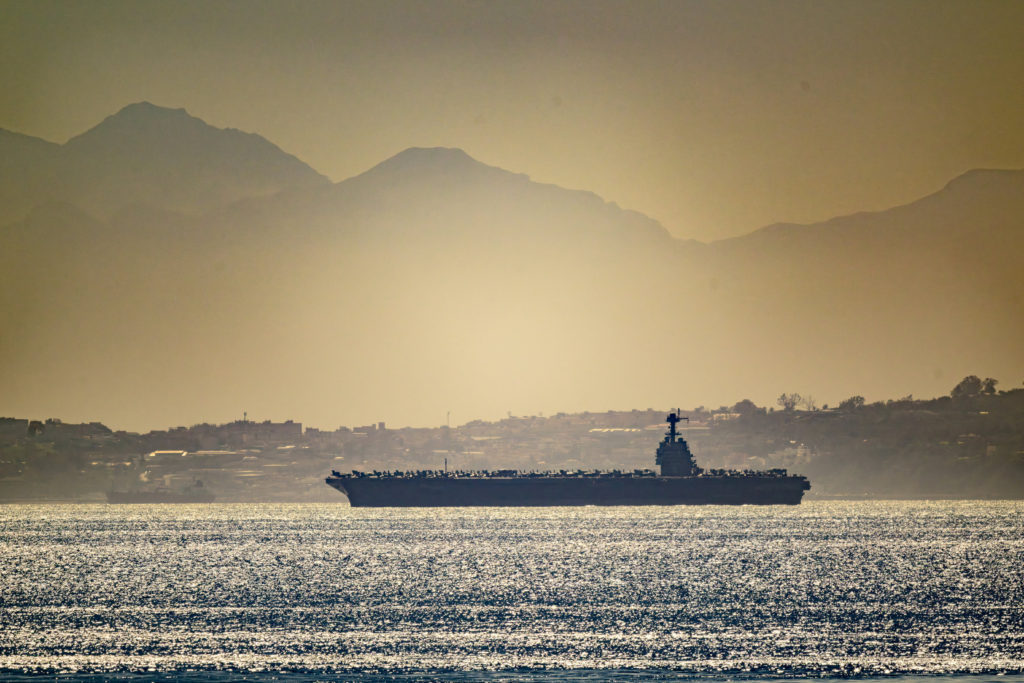
While the Pakistani-mediated talks aim to ease tensions and curb Iran’s nuclear ambitions, the simultaneous military drills underscore the fragility of the situation. U.S. President Donald Trump has dramatically increased the American naval presence in the Middle East, including deploying aircraft carrier strike groups, over concerns about Iran’s nuclear activities and regional influence.
🕊️ Diplomacy and Military Signaling
In Geneva, Iranian Foreign Minister Abbas Araghchi referred to the ongoing talks as a “new window” for sustainable progress, suggesting that both sides may be inching toward broader agreements. However, deep gaps remain, particularly over nuclear enrichment limits and sanctions relief.
Despite the diplomatic posture, Supreme Leader Ayatollah Ali Khamenei has issued pointed warnings in recent days, declaring that any military confrontation could have consequences well beyond Iran’s borders. He also reinforced Iran’s willingness to defend itself, indicating a tougher stance even as negotiations continue.
📉 Market Reactions and Global Stakes
News of the talks and the temporary closure led to slight declines in oil prices, suggesting that markets interpreted the diplomatic engagement as a hopeful sign of de-escalation. However, energy analysts caution that any future closures — or broader conflict — could trigger sharp spikes in crude and other commodities.